

Key Takeaways
- Pet obesity is linked to serious conditions including diabetes, joint disease, and reduced lifespan.
- Vets use a Body Condition Score scale — not just the scale — to assess whether a pet is overweight.
- Weight management works best as a gradual, vet-guided plan rather than abrupt calorie restriction.
- Increased physical activity should match a pet's current fitness level and any underlying conditions.
- Consistent monitoring and scheduled vet check-ins are essential to safe, lasting progress.
Why Pet Weight Matters More Than Many Owners Realize
Veterinary organizations consistently identify obesity as one of the most common and preventable health problems in companion animals. Research suggests that a significant portion of dogs and cats in the US are classified as overweight or obese by their veterinarians — and many owners genuinely don't recognize it, partly because gradual weight gain is easy to miss and partly because a rounder pet can seem comfortable or content.
The health consequences, however, are well-documented. Excess body weight is associated with increased risk of type 2 diabetes in cats, osteoarthritis and reduced mobility in dogs, respiratory difficulties, certain forms of cancer, high blood pressure, and a measurably shorter lifespan. It also places extra strain on the heart, liver, and kidneys over time. Understanding these risks isn't about guilt — it's about motivation to act thoughtfully and early.
~60%
US dogs and cats classified as overweight or obese
Association for Pet Obesity Prevention surveys have consistently found that the majority of US companion animals are above their ideal body weight according to veterinary assessment.
1.8 years
Average lifespan reduction linked to excess weight in dogs
A study published in the Journal of Veterinary Internal Medicine found that dogs maintained at an ideal body condition lived nearly two years longer on average than overweight counterparts.
How Vets Actually Assess Body Condition
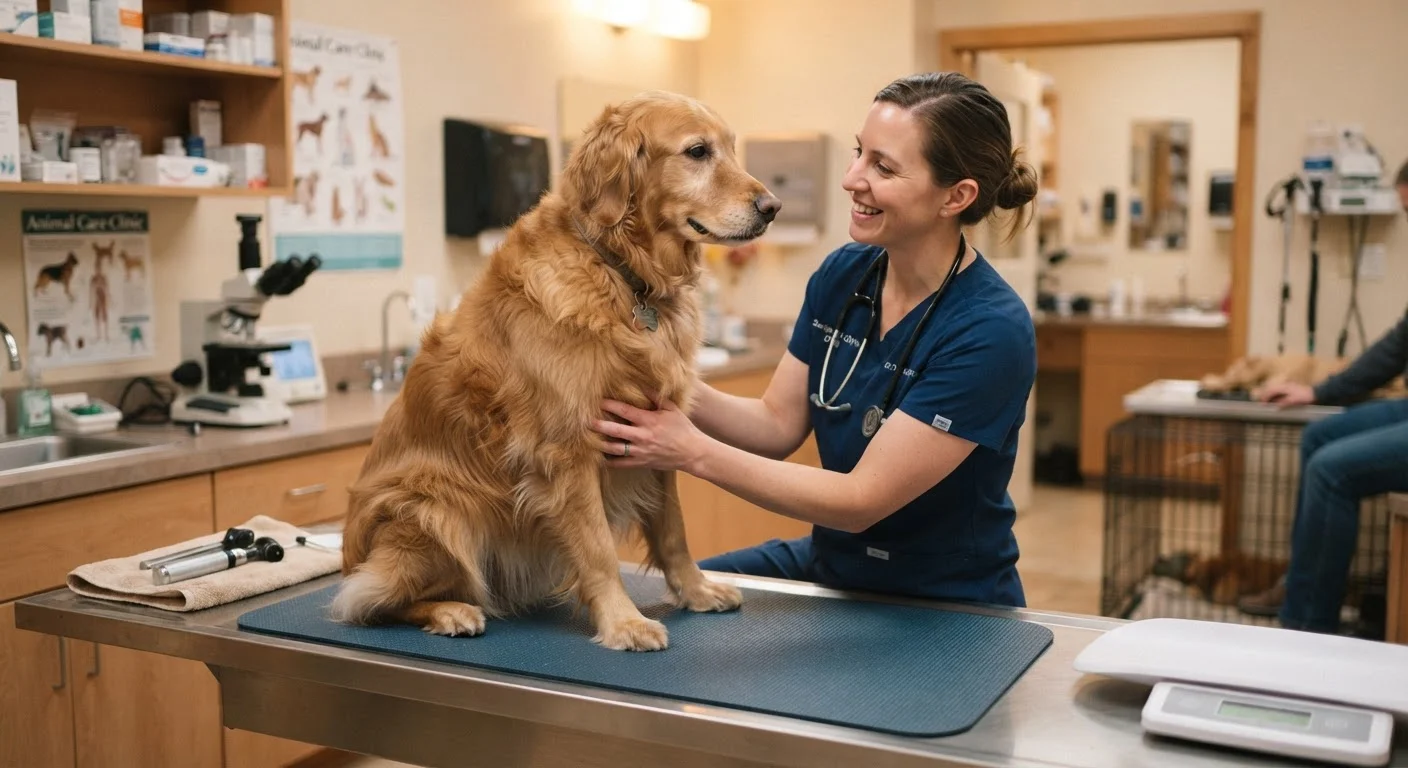
The bathroom scale alone doesn't tell the full story. Veterinarians use a standardized tool called the Body Condition Score (BCS) — typically a 9-point scale — that evaluates fat deposits through both visual inspection and physical palpation. A score of 4 or 5 out of 9 is generally considered ideal: ribs should be easily felt but not prominently visible, and the pet should have a visible waist when viewed from above.
Because ideal weight varies enormously by breed, sex, and body frame, a BCS assessment is far more meaningful than a number on a scale. A veterinarian can also identify whether excess weight is contributing to secondary problems, order bloodwork to rule out underlying hormonal conditions like hypothyroidism or Cushing's disease, and set a realistic, individualized target weight. If your pet hasn't had a recent wellness exam, that's the right starting point — see our overview of what annual vet visits involve for what to expect.
Evidence-Supported Practices for Managing an Overweight Pet
The following approaches reflect general guidance from veterinary nutrition and internal medicine literature. Always work with your veterinarian before making significant changes to your pet's diet or activity routine.
Measure every meal using a proper kitchen scale or measuring cup.
Portion distortion is one of the leading drivers of unintentional pet overfeeding. Studies in veterinary nutrition show that owners using volume estimation (a scooped cup) regularly over-serve by 20–50%. Precise measurement removes this variable and gives any dietary plan a reliable foundation.
Base food quantities on your pet's target weight, not their current weight.
Feeding to maintain current excess weight simply keeps a pet at that weight. Veterinary weight-loss protocols typically calculate calorie needs based on the ideal or target weight — but this calculation should be done in partnership with a vet to avoid too-rapid restriction, which carries its own risks (especially in cats, where rapid weight loss can trigger hepatic lipidosis).
Audit all treats, table scraps, and food-based enrichment in your pet's daily intake.
Treats and scraps are frequently unaccounted-for calories that can undo a carefully managed meal plan. Veterinary guidelines generally suggest treats make up no more than 10% of a pet's daily caloric intake — a threshold many pets far exceed.
Introduce or increase physical activity gradually, matched to your pet's current fitness and health status.
Overweight pets often have reduced cardiovascular fitness and may have subclinical joint issues that make sudden activity increases painful or harmful. Gradual, low-impact increases — such as adding five minutes to a walk every week — allow adaptation while minimizing injury risk.
Schedule regular weigh-ins and body condition re-assessments with your vet.
Weight loss in pets should ideally be tracked every two to four weeks, allowing the plan to be adjusted if progress stalls or if the pet is losing weight too rapidly. Home scales can supplement clinic visits, but professional BCS reassessment is important for accurate evaluation. Senior pets may need additional monitoring — our guide to senior pet health changes outlines how care needs evolve with age.
Getting Started: Quick Actions That Make a Difference
Meaningful change doesn't require an overhaul overnight. Small, consistent adjustments — tracked carefully — produce safer and more lasting results than dramatic interventions. Nutrition myths abound in this space too; our fact-check of common pet nutrition beliefs can help you separate helpful guidance from popular misinformation.
This article is for general informational and educational purposes only and does not constitute veterinary or medical advice. Always consult a licensed veterinarian before changing your pet's diet, exercise routine, or care plan.