

Key Takeaways
- Annual exams cover far more than vaccines — they assess your pet's entire body system by system.
- Early detection of conditions like dental disease, obesity, or organ changes can significantly reduce treatment complexity.
- Senior pets often benefit from twice-yearly checkups because health changes happen faster as animals age.
- Bringing a list of questions and a stool sample maximizes the value of every vet visit.
- Skipping routine visits doesn't save money long-term — undetected problems tend to cost more to treat.
Annual Wellness Exam
An annual wellness exam is a routine, head-to-tail physical checkup performed by a licensed veterinarian, typically once a year for healthy adult pets. It's not just about vaccines — the visit includes a thorough body assessment, parasite screening, dental evaluation, and a conversation about your pet's diet, behavior, and lifestyle. Think of it as a baseline health snapshot that helps catch problems early, before they become serious or expensive.
Veterinarians may recommend more frequent exams — often every six months — for senior pets or those with chronic health conditions, since animals age faster than humans and health status can shift quickly.
What's Actually Happening During That Exam
When your vet says they're doing a "physical," they mean a methodical, system-by-system assessment that follows a consistent pattern. Starting at the head and working toward the tail, the veterinarian is looking for deviations from normal — not just obvious illness, but subtle early signals.
Here's what that typically includes:
- Eyes and ears: Checking for discharge, cloudiness, signs of infection, or early cataract changes
- Mouth and teeth: Grading tartar buildup, inspecting gums for inflammation, looking for cracked or loose teeth
- Lymph nodes and neck: Palpating for swelling that may signal immune response or early masses
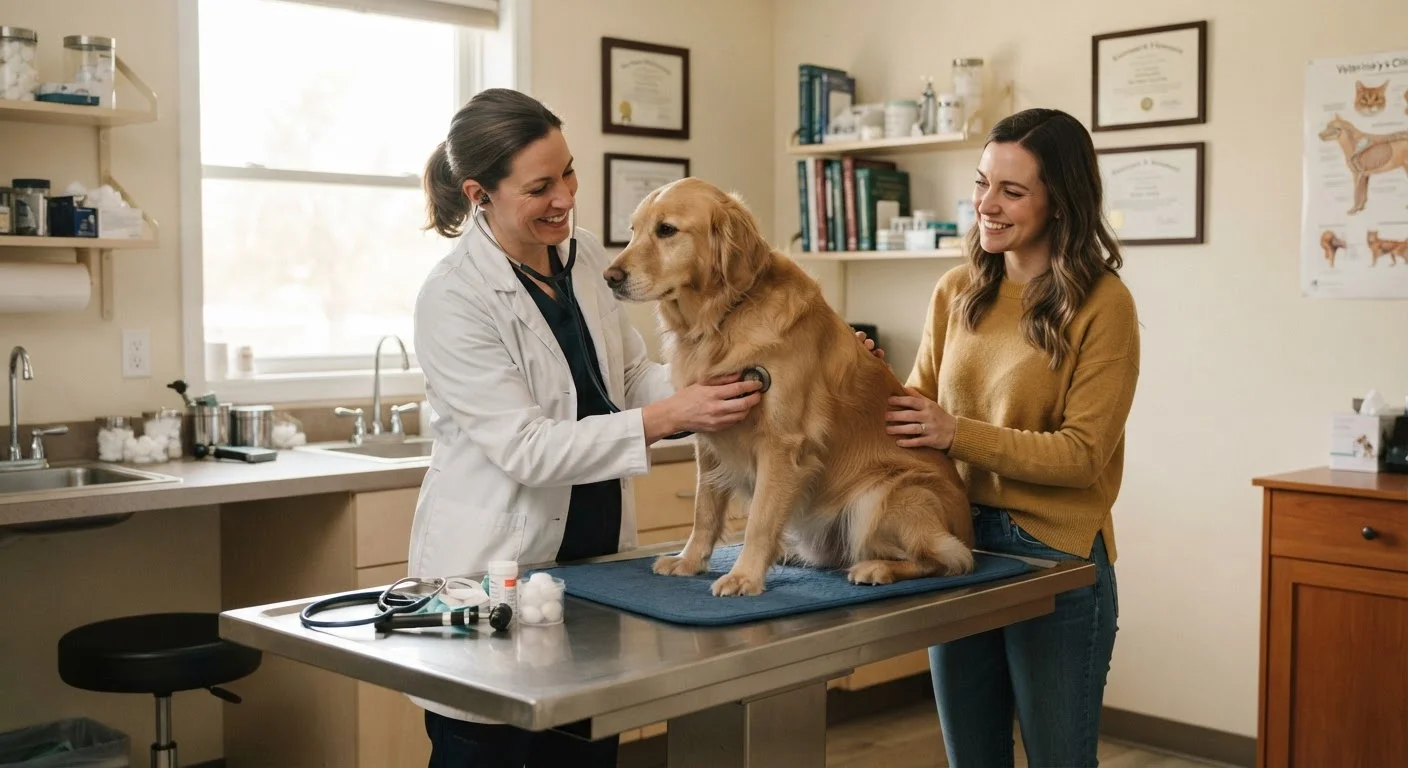
- Heart and lungs: Listening with a stethoscope for murmurs, irregular rhythms, or abnormal lung sounds
- Abdomen: Feeling organ size and consistency to flag anything enlarged or uncomfortable
- Skin and coat: Noting dryness, hair loss, parasites, or unusual growths
- Musculoskeletal: Assessing gait, joint mobility, and muscle mass — especially important for aging pets
- Weight and body condition score: Comparing to prior visits to detect gradual gain or loss
That last point matters more than many owners realize. Subtle weight changes over months can be an early indicator of conditions ranging from thyroid dysfunction to cancer. Pet obesity is one of the most common and impactful findings during routine exams, and it's far easier to address when caught early.
Annual Doesn't Always Mean Once a Year
"Annual exam" is the standard starting point for healthy adult pets, but your vet may recommend a different schedule based on your pet's species, breed, age, or health history. Senior pets, those on long-term medications, or breeds prone to specific conditions often need more frequent monitoring. Always defer to your veterinarian's recommended interval over any general guideline.
Beyond the Physical: Lab Work, Vaccines, and Preventives
Depending on your pet's age, species, and prior history, the annual visit may include more than the physical exam itself. For young, healthy pets, the conversation often centers on vaccine boosters — which ones are due, which are truly necessary for your pet's lifestyle and risk level, and which can be spaced out.
For adult and senior pets, vets frequently recommend baseline bloodwork, including a complete blood count (CBC) and chemistry panel, plus a urinalysis. These tests give a window into organ function — kidneys, liver, thyroid — that a physical exam alone cannot provide. Because many internal conditions are silent in early stages, these panels help establish what "normal" looks like for your individual pet, making future comparisons meaningful.
Parasite prevention also gets reviewed: heartworm status, flea and tick control, and an intestinal parasite screen from that stool sample you brought. This is also a natural point to discuss dental cleanings, which typically require anesthesia and are often recommended annually for many dogs and cats.
For pets approaching senior status, see our related guide on how health needs shift as animals age — it covers when to increase visit frequency and what additional screenings to expect.
Maximize Your 30 Minutes
Write down your questions before the appointment — it's easy to forget them once you're in the exam room. Prioritize your top two or three concerns so the most important topics get addressed even if time is limited. Many vets also welcome a brief follow-up call or patient portal message for non-urgent questions that come up afterward.
How to Get More Out of Every Visit
The exam itself usually takes 20–30 minutes, but preparation on your end can make that time significantly more productive. Veterinarians consistently say that owners who come with specific observations — not just vague worries — help them identify problems faster.
Before the appointment, take a few minutes to note:
- Any changes in appetite, thirst, or bathroom habits
- New lumps, limping, or behavioral shifts you've noticed at home
- Questions about diet, supplements, or upcoming life changes (travel, a new pet, etc.)
Keeping organized health records between visits also pays off. A solid pet health records system ensures your vet has accurate vaccination history, prior lab values, and medication lists — all of which inform the exam's findings.
If your pet is anxious about clinic visits, that's worth addressing separately rather than avoiding appointments altogether. Small adjustments before and during the visit can meaningfully reduce stress for both pets and owners.
Ultimately, annual wellness visits are the cornerstone of preventive care — the approach that consistently produces better outcomes and, over a pet's lifetime, tends to be less costly than treating conditions discovered late. They're not a formality. They're how you stay ahead.
This article is for general informational purposes only and is not a substitute for professional veterinary advice. Always consult a licensed veterinarian for guidance specific to your pet's health needs.