

Key Takeaways
- Carrier training between visits is one of the most effective ways to reduce pet anxiety.
- Brief daily handling practice helps pets become comfortable with the physical exam process.
- Scheduling appointments strategically and bringing familiar scents can meaningfully lower stress.
- Communicating your pet's anxiety to clinic staff before arrival opens doors to helpful accommodations.
- Positive reinforcement before, during, and after the visit builds a calmer pattern over time.
What you will need
Why Vet Visits Feel So Hard for Pets
For most pets, a veterinary appointment involves a chain of unfamiliar or uncomfortable experiences: a carrier that only appears before something unpleasant, a car ride, strange smells, other animals, and a thorough physical exam by someone they've rarely met. The stress isn't irrational — it's a reasonable response to novelty and loss of control.
Understanding what's actually triggering your pet's anxiety helps you address it at the source rather than simply managing the meltdown. For a deeper look at how environment shapes pet confidence, see our guide on creating a low-stress home for your pet. And if you want to understand what happens once you're there, what actually happens during routine wellness exams walks through the full picture.
Hard-sided or soft carrier
Provides a safe, familiar enclosure for transporting cats and small dogs to the clinic.
Pet-safe calming spray or worn clothing item
A familiar scent inside the carrier can reduce anxiety during travel.
High-value treats
Used for positive reinforcement during carrier training and handling practice.
Medical records or pet health app
Keeping vaccination history and medication lists organized saves time and avoids gaps in care.
What You'll Need Before You Start
Reducing vet visit stress isn't about one-time fixes — it's about building new associations over time. The preparation below works best when started at least a few weeks before an upcoming appointment, though even a few days of effort can make a noticeable difference.
What you will need
Make the carrier a permanent, welcoming fixture at home
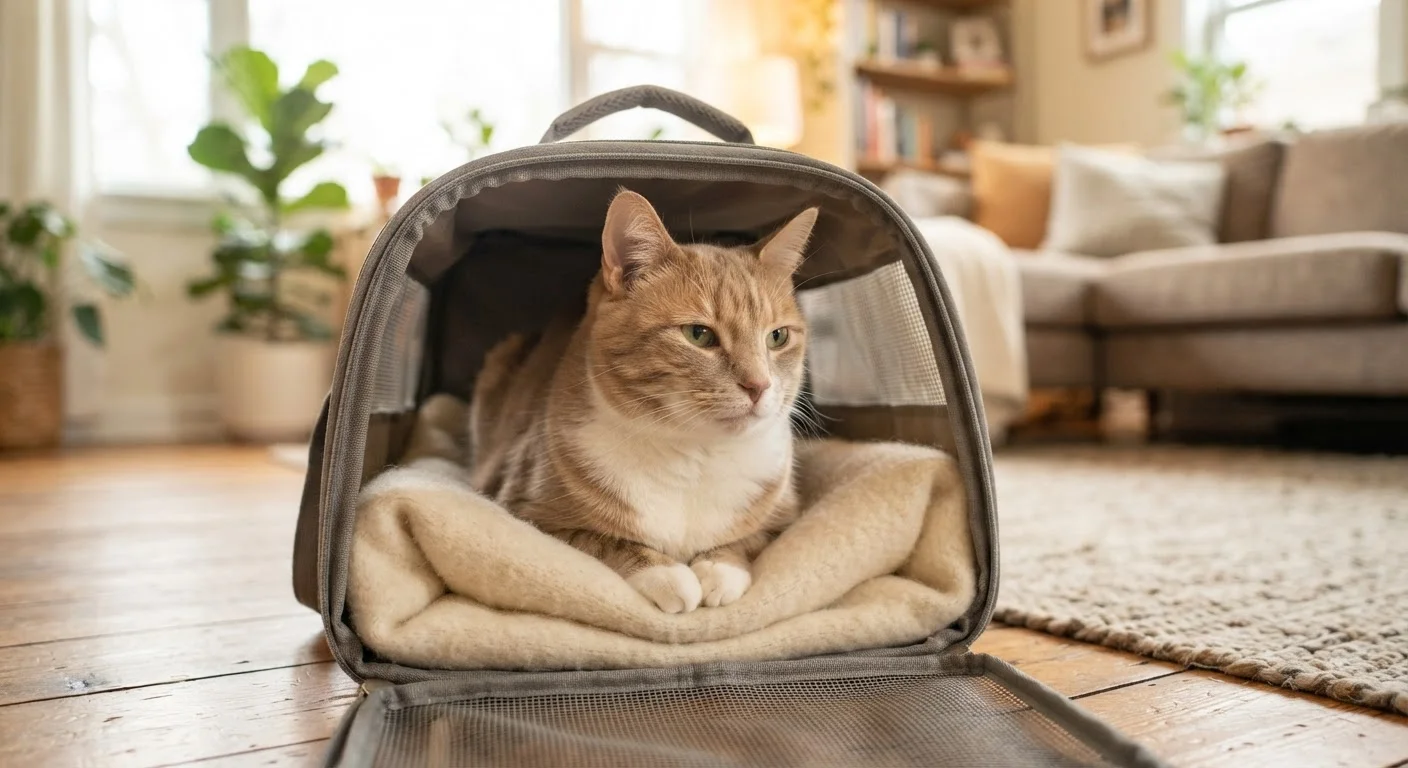
Leave the carrier out in a space your pet frequents — not just on appointment days. Place a soft blanket or a piece of your clothing inside to make it smell familiar. Toss treats near and eventually inside the carrier so your pet associates it with good things. For cats especially, a top-loading carrier can reduce the wrestling match of getting them in.
Practice gentle handling at home regularly
Vets need to touch ears, paws, mouths, and abdomens. If your pet only experiences that kind of contact at the clinic, every exam feels strange and threatening. Spend a few minutes several times a week doing calm, gentle touch routines — lift paws, peek in ears, and open the mouth briefly — pairing each action with a treat. This is particularly useful for puppies and kittens but works for adult animals too.
For dogs, the handling desensitization approach scales well even into senior years.
Choose your appointment time thoughtfully
Waiting rooms full of other animals add a significant stress layer. Ask your clinic for their quietest time slots — often early morning or mid-week appointments — so your pet isn't overwhelmed before the exam even begins. Some clinics now offer cat-only hours or separate waiting areas for fearful animals. It's always worth asking.
Communicate your pet's anxiety before you arrive
Call ahead and let the clinic know if your pet is fearful, reactive, or has had difficult visits before. Many practices can note this in the file and make accommodations: a quieter exam room, a shorter wait in the car rather than the lobby, or a slower exam pace. This simple step shifts the dynamic — staff are prepared to help rather than react.
Bring familiar scents and stay calm yourself
Animals are acutely sensitive to owner anxiety. If you're tense, your pet is more likely to be too. In the carrier or on the exam table, a small piece of familiar bedding can serve as a sensory anchor. Speak in a low, even voice throughout the visit. Avoid over-reassuring with phrases like "it's okay, it's okay" repeated urgently — this can actually signal to your pet that something is wrong.
Reinforce calmness immediately after the visit
What happens right after the appointment matters. If your pet was stressed, resist giving attention that rewards distress — instead, wait for a moment of calm and then offer a treat or gentle praise. When you're back home, give your pet a quiet space to decompress. This recovery period is part of the overall experience and shapes how your pet feels about the next visit.
A consistent daily routine in the hours after a vet visit helps your pet return to baseline faster.
Use Your Vet Clinic as a Practice Destination
Many clinics welcome casual drop-in visits outside of appointment times — just to weigh your pet, get a treat from staff, and leave. This "happy visit" technique helps animals dissociate the clinic from stressful procedures. Ask your veterinary team whether they offer this, especially if your pet has a strong fear response.
When Anxiety Is Severe, Ask for Help
If your pet shows extreme fear responses — prolonged trembling, aggression, or inability to recover after visits — speak with your veterinarian rather than pushing through alone. Some animals benefit from anxiety-reducing protocols or veterinary-prescribed support before appointments. This is a medical consideration best addressed with professional guidance, not something to manage only with behavioral strategies at home.
Don't Withhold Food Without Guidance
Some owners skip feeding before vet visits assuming it will calm a pet or make handling easier. In most routine appointments, this is unnecessary and can cause low blood sugar in small animals. Always follow your veterinarian's specific instructions about fasting, which typically apply only when sedation or anesthesia is planned.
This article is for general informational and educational purposes only. It is not a substitute for professional veterinary advice, diagnosis, or treatment. Always consult your veterinarian with any questions about your pet's health or behavior.