

Key Takeaways
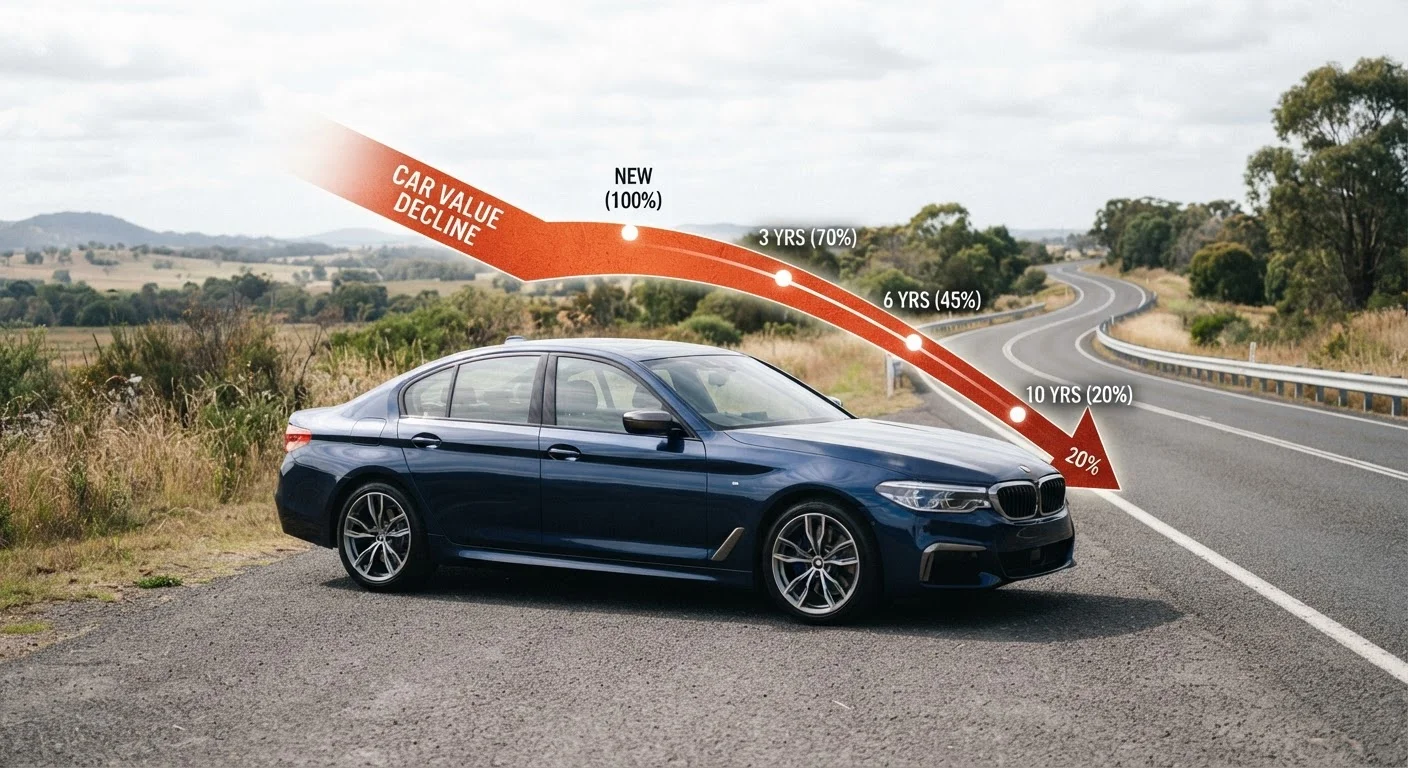
- New vehicles typically lose 15-25% of their value in the first year alone.
- Several factors influence depreciation rate, including mileage, condition, brand reputation, and fuel type.
- Depreciation is the largest single cost of car ownership for most drivers.
- Buying a used vehicle lets you avoid the steepest part of the depreciation curve.
- Understanding depreciation helps you make smarter decisions about buying, leasing, or selling.
Vehicle Depreciation
Vehicle depreciation is the decline in a car's market value over time. From the moment you drive off the lot, your vehicle is worth less than you paid for it - and that gap widens every year. It is not a fee you pay directly, but it is a real financial cost that affects what you can recoup when you sell or trade in your car.
Depreciation is calculated as the difference between a vehicle's purchase price and its current market value, often expressed as a percentage lost per year. Lenders and lessors use depreciation projections - called residual values - to set loan terms and lease payments.
What Depreciation Actually Means for Car Owners
Depreciation is the financial term for the value a vehicle loses over time. It is not a fee that appears on a bill - but it is very much a cost. If you buy a car for $35,000 and sell it five years later for $18,000, you have absorbed $17,000 in depreciation. That outpaces what most drivers spend on fuel or insurance over the same period.
According to industry data, the average new vehicle loses approximately 50% of its original value within five years. The first year is consistently the harshest: new cars commonly shed 15-25% of their purchase price in year one alone. This is why buying a vehicle that is one to two years old can represent meaningful savings - you let the first owner absorb that initial drop.
For a complete picture of what owning a vehicle actually costs, see The True Cost of Owning a Car in the US, which breaks down every major expense category alongside depreciation.
~20%
Average first-year depreciation for new vehicles
Industry benchmarks consistently show new cars lose roughly 15-25% of purchase price within the first 12 months of ownership.
~50%
Value lost by year five for average new vehicle
Used car valuation data indicates the typical new vehicle retains only around half its original purchase price after five years on the road.
#1
Depreciation's rank among ownership costs
For most US drivers who purchase new vehicles, depreciation represents the single largest annual cost of car ownership, exceeding fuel and insurance.
Why Cars Lose Value: The Core Drivers
Depreciation is not random. Several well-understood factors determine how quickly any given vehicle loses its resale value.
- Age: The calendar alone drives value down, regardless of use. Older vehicles face higher repair uncertainty and are further from current technology and safety standards.
- Mileage: Higher mileage means more mechanical wear. Buyers and appraisers discount heavily for vehicles that exceed the US average of roughly 12,000-15,000 miles per year.
- Condition: Interior wear, paint damage, accident history, and deferred maintenance all reduce what a buyer will pay. Clean service records support stronger resale values.
- Brand and model reputation: Vehicles associated with reliability and low long-term ownership costs tend to depreciate more slowly because buyer demand stays higher over time.
- Market demand: Fuel prices, economic conditions, and consumer preference shifts affect which vehicle types hold value. Trucks and practical SUVs have historically depreciated more slowly than certain sedans in the US market.
- Technology and fuel type: As electrification evolves rapidly, some vehicle types face accelerated obsolescence risk, which can compress resale values.
How Depreciation Shapes Your Ownership Decisions
Understanding depreciation has practical implications far beyond a future sale. It affects whether buying or leasing makes financial sense for your situation, how much equity you hold if you need to refinance, and whether you are at risk of being "upside down" on a loan - owing more than the vehicle is worth.
Depreciation is also the primary financial engine behind lease pricing. Monthly lease payments essentially cover the depreciation expected during the lease term, plus finance charges and fees. Vehicles that hold value well produce lower lease payments; those that depreciate steeply cost more to lease. For more on how this plays out in practice, the Leasing vs. Buying a Car guide examines these trade-offs in detail.
If auto finance terminology - residual value, capitalized cost, loan-to-value ratio - is unfamiliar, Key Auto Finance Terms Every Car Buyer Should Know is a useful plain-language reference.
Check Residual Value Before You Sign
Before agreeing to a purchase or lease, look up the projected five-year residual value of the specific model you are considering. Vehicles with higher residual value percentages depreciate more slowly - which lowers lease costs and protects your equity if you finance. This one check takes minutes and can significantly affect your total cost of ownership.
Practical Ways to Factor Depreciation Into Your Car Decisions
You cannot stop a vehicle from losing value, but you can make choices that reduce how much depreciation costs you personally.
- Buy used, not new: Purchasing a vehicle two to four years old means a previous owner absorbed the steepest early losses. You still get a reliable vehicle at a lower price point.
- Research resale value before buying: Tools like used car valuation guides allow you to compare the projected five-year value retention of different models before you commit.
- Maintain the vehicle: Documented service history, clean condition, and preserved appearance all support stronger resale outcomes. Consistent maintenance also keeps the vehicle reliable for longer. The Car Maintenance hub covers practical upkeep strategies that protect both safety and resale value.
- Manage mileage intentionally: If resale is a priority, staying close to average annual mileage helps. This is also relevant in lease agreements, where excess mileage triggers penalties.
- Understand your loan situation: If you financed a new vehicle with a small down payment on a long loan term, you may owe more than the car is worth for several years. Gap insurance can protect you financially if the vehicle is totaled during that window.
This article provides general financial education about vehicle depreciation and is not personalized financial or investment advice. Consult a qualified financial professional for decisions specific to your situation.