

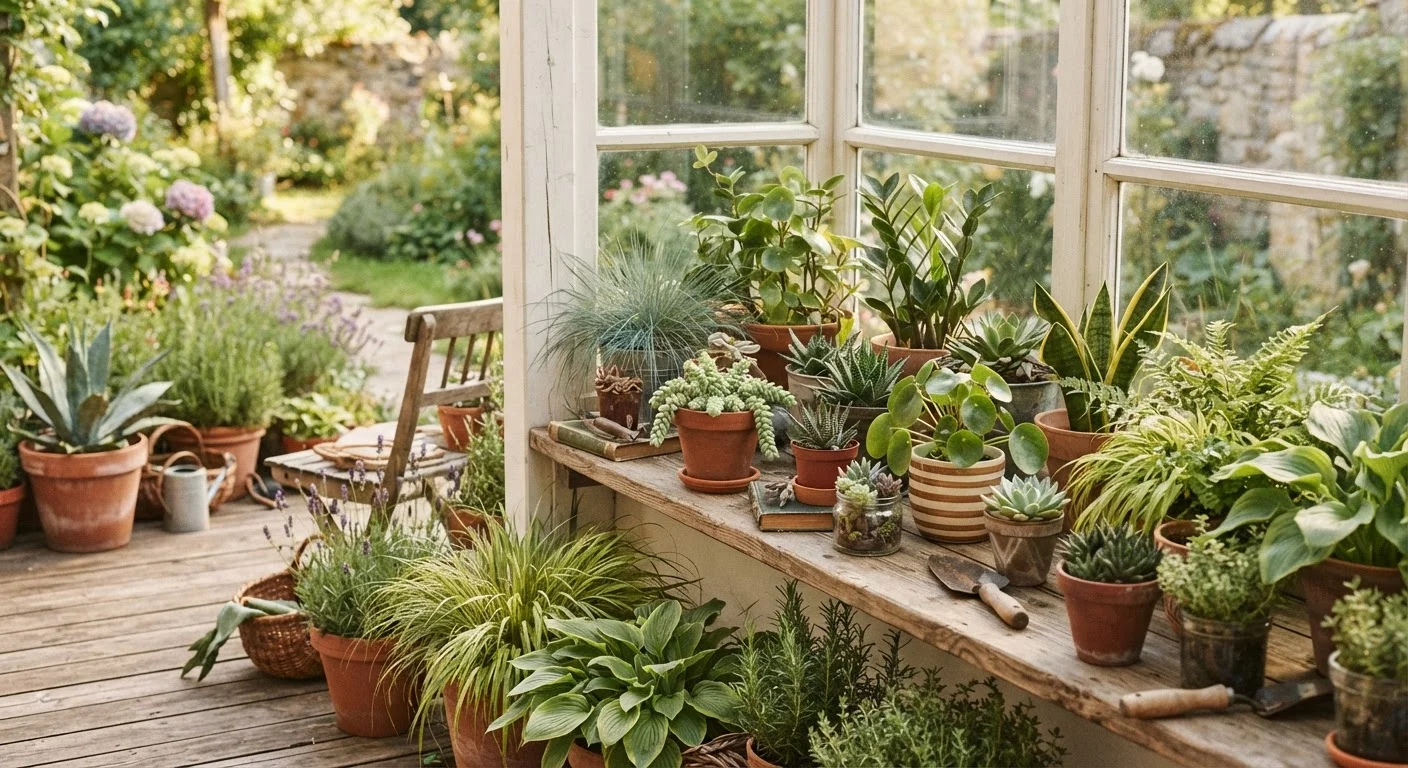
Key Takeaways
- Most low-maintenance plants fail not from neglect but from being placed in the wrong conditions.
- Matching a plant's natural habitat to your yard's light and drainage is the single biggest success factor.
- Several tough perennials, shrubs, and grasses return reliably year after year with little intervention.
- Container gardening can extend your options even in challenging climates or small spaces.
- Understanding a plant's dormancy and growth cycles prevents unnecessary worry and over-care.
Why Low-Maintenance Doesn't Mean No-Maintenance
The phrase "low-maintenance plant" is often misread as a promise that nothing will ever go wrong. A more useful way to think about it: these are plants whose natural rhythms align closely with what most yards already offer. They tolerate imperfect watering, uneven soil, summer heat, and occasional neglect-without collapsing the way fussier species do.
That said, every plant on this list still has preferences. The goal is to match those preferences to your actual conditions before you plant-not to ignore the plant's needs entirely. For a solid foundation on assessing your yard before you commit to anything, see how to read your yard's light conditions. And if you're starting from scratch, our beginner's garden guide walks through the whole setup process.
With that framing in place, here are eight plants that genuinely deliver on the low-effort promise.
Lavender
Lavender thrives in full sun and well-drained, lean soil-conditions that defeat many other plants. In fact, rich or consistently moist soil encourages root rot and shortens its life. Once established (typically after one full growing season), lavender handles drought with ease and needs almost no supplemental watering in most US climates outside of the driest summers.
Trim spent flower stems back by about a third after blooming to keep the plant compact and encourage a second flush. Avoid cutting into old wood, which doesn't regenerate reliably. Hardy in USDA zones 5-8, with some varieties extending into zone 9.
Lean, dry soil isn't a handicap for lavender-it's exactly what this plant prefers.
Ornamental Grasses (such as Karl Foerster feather reed grass)
Ornamental grasses are among the most forgiving perennials available. Most varieties tolerate poor soil, intermittent drought, and minimal fertilization once established. They're particularly useful for adding structure and movement to a planting bed without ongoing deadheading or staking.
Cut them back to a few inches above ground in late winter before new growth emerges. This is the main annual task they require. Clump-forming varieties like feather reed grass stay tidy and don't spread aggressively-an important distinction from running grasses, which can become invasive in some regions.
One annual cut-back in late winter is the primary maintenance ornamental grasses ask of you.
Sedum (Stonecrop)
Sedums are succulent perennials with thick, water-storing leaves that make them exceptionally drought-tolerant. Upright varieties like 'Autumn Joy' provide late-season color when most perennials are winding down, while low-growing types work well as ground covers on dry slopes or in rock gardens.
They prefer full sun and well-drained soil. Overwatering is the most common way to kill a sedum-if rainfall is consistent, supplemental watering is rarely necessary after the first season. They're also largely pest-resistant and require no deadheading to continue performing.
Sedums store water in their leaves, meaning they often do better when you water them less.
Black-Eyed Susan (Rudbeckia hirta)
This native North American wildflower blooms reliably in full sun from midsummer into fall, tolerates heat, humidity, and clay soil, and self-seeds readily-meaning it often naturalizes in a bed without any help from you. It's a strong choice for sunny borders, meadow-style plantings, and pollinator gardens.
Deadhead spent blooms to extend flowering, or leave seed heads in place over winter to support birds and allow self-seeding. Short-lived as a perennial in some zones, it compensates by reseeding dependably. Hardy in zones 3-9.
Black-eyed Susan self-seeds freely, effectively replanting itself season after season.
Hostas
Hostas are the reliable solution for shady spots where most flowering plants struggle. They're grown primarily for their foliage-ranging from chartreuse to deep blue-green-and return each spring with virtually no intervention beyond dividing clumps every few years to maintain vigor.
They prefer consistently moist, well-drained soil and part to full shade, though their specific light tolerance varies by variety. Slugs can be a nuisance in wet seasons, but otherwise hostas are largely trouble-free. They're especially useful in north-facing beds or under deciduous trees where light is limited.
Hostas solve the shady corner problem better than almost any other perennial available.
Coneflower (Echinacea purpurea)
Coneflowers are deep-rooted native perennials that handle heat, drought, and poor soil with little complaint once established. They bloom over a long season-often June through September-and attract both pollinators and seed-eating birds when the flower heads are left standing through winter.
Unlike many perennials, coneflowers actually perform better in average or lean soil than in heavily amended beds, where they can become floppy and bloom less freely. Divide clumps every three to four years to keep them vigorous. Hardy in zones 3-9.
Coneflowers bloom longer and stay sturdier in lean soil than in richly amended garden beds.
Pothos (for indoor or covered spaces)
For indoor environments or covered patios, pothos is one of the most forgiving houseplants available. It tolerates low light, irregular watering, and a wide range of indoor temperatures. Its trailing habit works well in hanging baskets or on shelves where it can cascade naturally.
Allow the soil to dry out between waterings-soggy soil is the main cause of pothos decline. It will signal dehydration with slightly wilting or puckering leaves well before it's in serious distress, giving you a clear cue to water. Wipe leaves occasionally with a damp cloth to keep them dust-free and photosynthesizing efficiently.
Pothos tells you when it needs water before any lasting damage occurs-a forgiving feedback loop.
Knockout Rose
Knockout roses were developed specifically to eliminate the high-maintenance reputation traditional roses carry. They're disease-resistant (particularly against black spot), bloom repeatedly from spring through frost, and require no deadheading to rebloom-though a light shaping in spring keeps them tidy.
Plant in full sun with good air circulation and water at the base to minimize foliar disease. While they're more resilient than hybrid tea roses, they still benefit from an annual application of balanced fertilizer in spring and a hard cutback-by about one-third-each year to promote vigorous new growth. Hardy in zones 4-9.
Knockout roses rebloom without deadheading, breaking the high-maintenance mold of traditional varieties.
Putting These Plants to Work in Your Garden
These eight plants cover a wide range of growing conditions-full sun to part shade, dry slopes to average borders, ground-level beds to containers. The most effective approach is to group plants by the conditions they share rather than arranging by aesthetics alone. A sun-baked, well-drained slope is perfect for lavender and black-eyed Susan; a shadier corner suits hostas and ferns without complaint.
Start With One or Two New Plants
Even with low-maintenance species, it's worth getting familiar with a plant's habits before filling an entire bed with it. Start with a small grouping, observe how it performs through one full season in your conditions, then expand from there. This approach also lets you catch any site mismatch-poor drainage, unexpected shade-before it affects a large planting.
One underrated advantage of low-maintenance plants: most of them also support pollinators, resist common pests, and integrate naturally into informal landscapes. You're not sacrificing beauty for durability-you're choosing plants that reward patience rather than constant intervention. For more on avoiding the missteps that trip up even experienced gardeners, review the most predictable garden mistakes before your next planting session.