

Key Takeaways
- Starting late is better than never starting — compound habits matter as much as compound interest.
- Getting clear on your income and expenses is the single most important first step.
- Small, consistent money decisions tend to outperform occasional big efforts over time.
- A simple priority order — emergency fund, high-interest debt, then savings — prevents overwhelm.
- Avoiding common early mistakes like ignoring credit can save you money and stress later.
Start here
Why Feeling Behind Is Normal
Next
The First Things to Get Clear On
Build momentum
Small Habits That Build Real Results
Prioritize
Where to Focus First: A Simple Priority Order
Avoid pitfalls
Common Mistakes to Sidestep Early
Why Feeling Behind Is Normal
Most people learn money management through trial and error rather than any formal education. If you feel like everyone else has it figured out except you, that perception is almost certainly wrong — and it's a poor reason to delay getting started.
Personal finance is rarely taught well in schools, and many families don't discuss money openly. The result is that a large share of US adults reach adulthood without a clear picture of how budgets, credit, or savings actually work. Feeling behind isn't a character flaw — it's a common starting point.
What matters now is taking one small step. This article is designed to help you do exactly that, without requiring you to overhaul your entire financial life overnight. For a broader foundation on managing debt and credit, Debt & Credit From the Ground Up is a useful companion read.
The First Things to Get Clear On
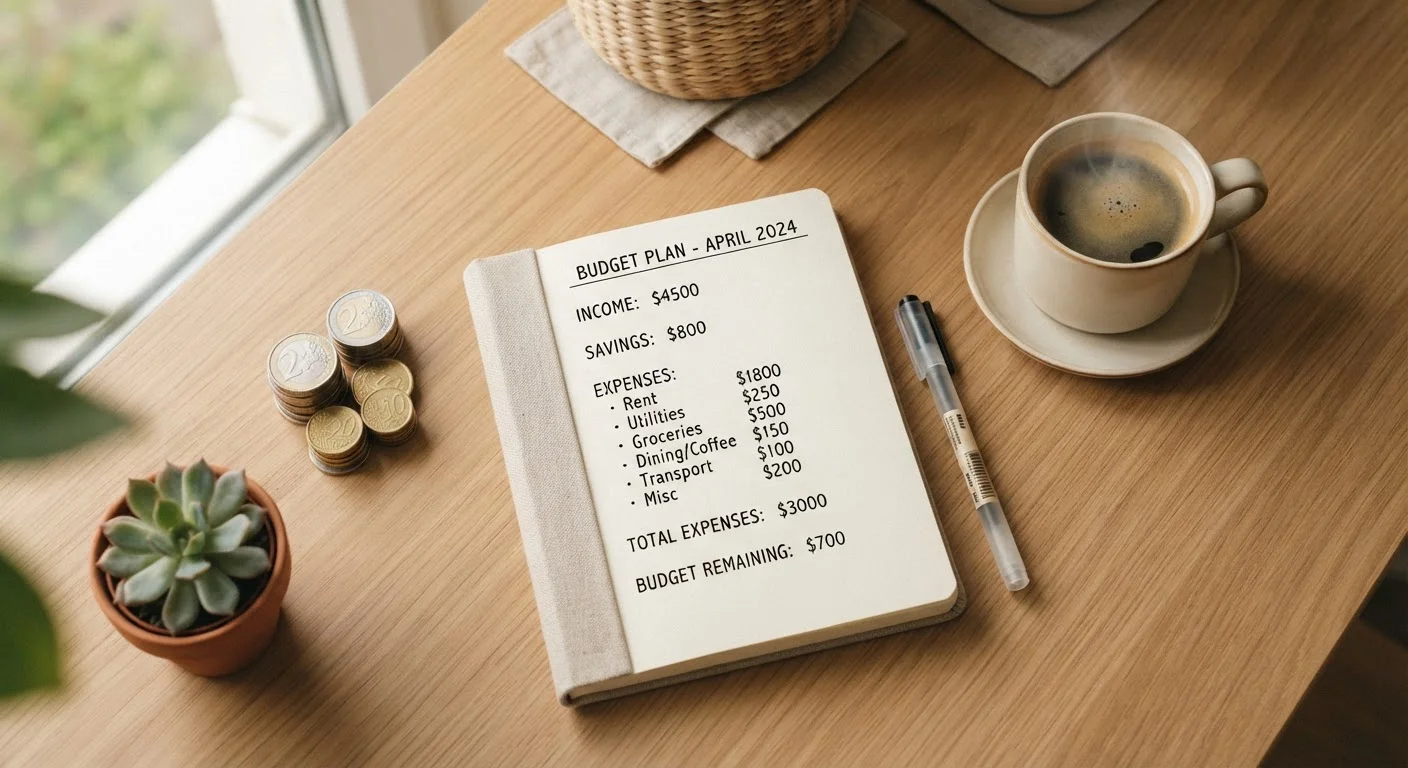
Before you can improve your finances, you need an honest picture of where things stand. That means two numbers: what comes in each month, and what goes out.
Take-home pay
The amount of money left from your paycheck after taxes and other deductions are withheld. This is the figure you actually have available to spend, save, or invest.
Fixed expenses
Costs that stay the same amount each month, such as rent, car payments, or subscription services. These are predictable and easy to plan around.
Variable expenses
Costs that fluctuate month to month, like groceries, gas, or dining out. These are the most flexible part of a budget.
Emergency fund
A dedicated pool of savings set aside only for unexpected financial needs — job loss, medical bills, or urgent repairs — so you don't have to rely on credit cards or loans.
APR
Annual Percentage Rate — the yearly cost of borrowing money expressed as a percentage. A higher APR means debt costs you more the longer you carry it.
Credit history
A record of how you've borrowed and repaid money over time. Lenders, landlords, and sometimes employers use it to assess how reliably you handle financial obligations.
Write down your monthly take-home pay — the amount that actually hits your account after taxes. Then list your fixed expenses (rent, loan payments, subscriptions) and variable expenses (groceries, gas, dining out). Don't estimate. Pull up your last two or three bank statements and add it up.
This exercise is uncomfortable for most people. That discomfort is informative. Once you see the real numbers, you're working with facts rather than anxiety. The Saving & Budgeting hub has practical strategies to turn that information into a workable plan.
This article provides general financial education and is not personalized financial advice. For guidance specific to your situation, consider speaking with a licensed financial professional.
Small Habits That Build Real Results
A common misconception is that financial progress requires dramatic action — a big raise, a windfall, or a complete lifestyle overhaul. In reality, small, consistent decisions tend to drive better outcomes over time than infrequent large ones.
Automate Before You Can Overthink It
The most reliable way to save is to move money out of your checking account before you have a chance to spend it. Even a small automatic transfer — $10 or $25 per paycheck — adds up and builds the habit without requiring ongoing willpower. Set it up once and let it run.
Consider these repeatable habits that require minimal setup:
- Automate a small transfer to savings on payday, even if it's just $25. Removing the decision removes the friction.
- Check your account balance once a week. Awareness alone changes behavior for most people.
- Pay every bill on time, even just the minimum. Payment history is the most heavily weighted factor in most credit scoring models.
- Increase contributions gradually. Each time your income rises, direct a portion of the increase toward savings or debt before adjusting your lifestyle.
None of these steps are dramatic, but practiced consistently they create real financial movement. If you've wondered whether some of what you've heard about budgeting is accurate, Budgeting Myths That Keep People From Starting addresses the most common misconceptions head-on.
Where to Focus First: A Simple Priority Order
When everything feels urgent, having a clear sequence prevents paralysis. Here is a general priority order that many financial educators and planners recommend as a starting framework:
- Cover essential expenses first — housing, food, utilities, and minimum debt payments.
- Build a small emergency buffer — even $500 keeps minor setbacks from becoming debt emergencies.
- Pay down high-interest debt — credit card balances above 15–20% APR cost you more each month you carry them.
- Grow your emergency fund to three to six months of essential expenses over time.
- Start saving toward goals — retirement contributions, especially if an employer match is available, or other longer-term priorities.
This is a general framework, not a rule. Your situation may call for a different sequence. The Debt & Credit hub offers more detailed guidance on managing what you owe.
Common Mistakes to Sidestep Early
Getting started is half the battle. Avoiding a few predictable missteps helps make sure that progress sticks.
- Ignoring your credit entirely. Even if debt isn't your immediate problem, your credit history affects future borrowing costs, rental applications, and sometimes employment. Check your free credit reports at least annually. If you have no credit history, secured credit cards and credit-builder loans are worth understanding.
- Treating budgeting as punishment. A budget is a tool, not a restriction. Reframing it as a spending plan you control — rather than a set of rules that control you — makes it easier to maintain. See common budgeting myths for more on this mindset shift.
- Waiting for the perfect moment. There is no perfect financial starting point. Starting imperfectly today produces better outcomes than waiting for conditions that may never arrive.
Progress Looks Different for Everyone
There is no universally correct pace for building financial stability. Someone managing three jobs and childcare has different constraints than a single renter with a predictable income. Comparing your timeline to others' — especially online — rarely produces useful information. Measure your progress against your own starting point.