

Key Takeaways
- An emergency fund covers unplanned, unavoidable expenses — not planned purchases or vacations.
- Most financial guidance suggests saving three to six months of essential living expenses.
- High-yield savings accounts and money market accounts are common places to hold emergency funds.
- Even a small starter fund of $500–$1,000 provides meaningful protection against common disruptions.
- Replenishing the fund after using it should become an immediate financial priority.
Emergency Fund
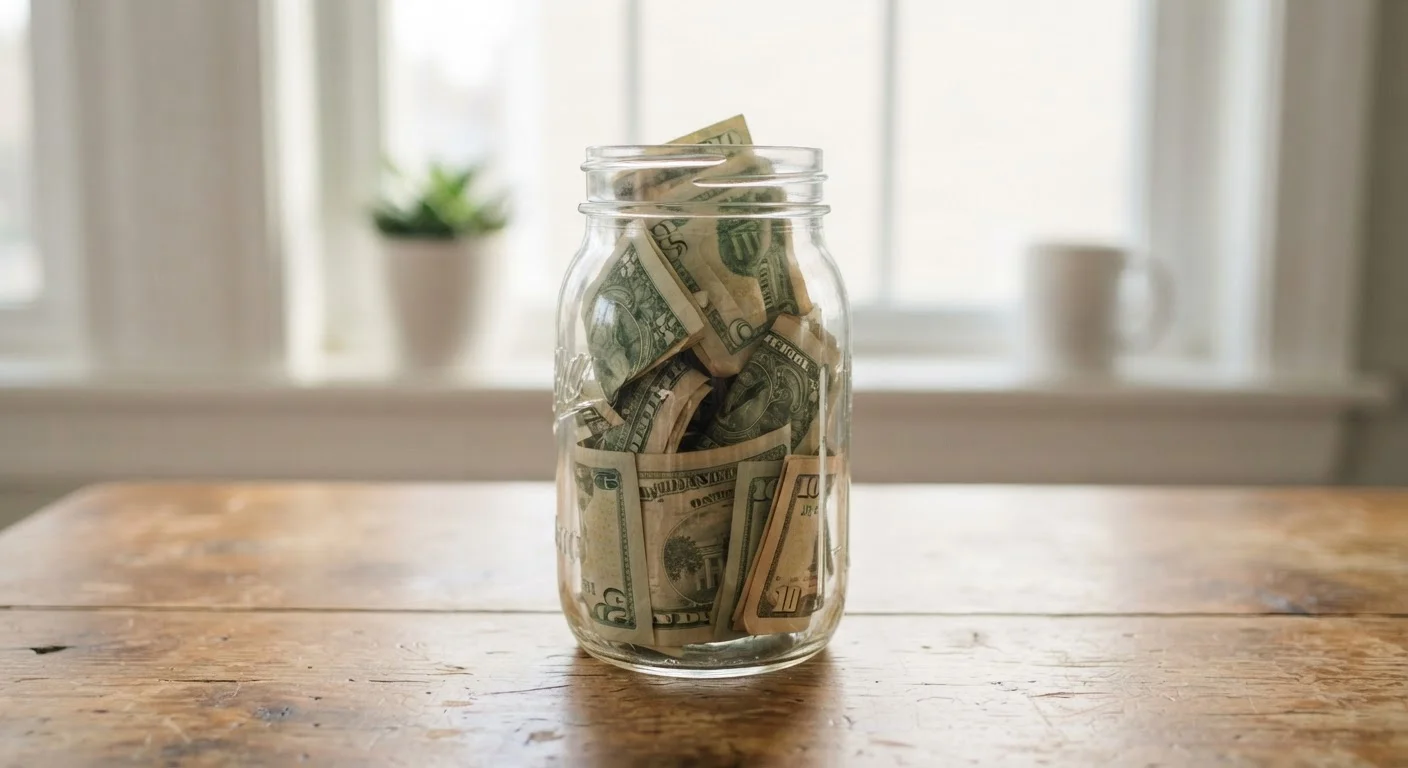
An emergency fund is money set aside specifically to cover unexpected, necessary expenses — things like a job loss, medical bill, or major car repair. It's kept separate from your regular spending and savings so it's available quickly when something goes wrong. Think of it as a financial buffer between you and debt.
Emergency funds are distinct from sinking funds, which target predictable future expenses. An emergency fund covers genuinely unplanned events with no set timeline.
What an Emergency Fund Actually Is
An emergency fund is money held in reserve for financial shocks you didn't see coming. The key word is emergency — not "things I forgot to budget for" or "a deal too good to pass up." A true emergency is an event that's sudden, necessary, and would otherwise require you to take on debt or skip essential bills.
Common emergencies include: an unexpected job loss, a major car repair needed to get to work, a medical expense your insurance doesn't fully cover, or an urgent home repair like a broken furnace or water heater. These events share a pattern — they can't wait, they weren't planned, and they put real pressure on your finances if you're not prepared.
An emergency fund is different from general savings, and keeping them separate matters. When vacation money and emergency money live in the same account, the boundaries blur. One account, one purpose — that's the structure that works. For a broader look at how savings and budgeting fit together, the complete guide to saving and budgeting is a useful companion.
Emergency Fund vs. Sinking Fund
It's easy to mix these up. A sinking fund is for expenses you know are coming — like annual car registration or holiday gifts — and you plan for them in advance. An emergency fund is strictly for expenses that are genuinely unexpected and non-optional. Both have a place in a solid financial plan, but they serve different purposes and should be kept separate.
How Much Should You Actually Save?
The standard guidance — three to six months of essential living expenses — comes from a reasonable place. It's long enough to cover most job searches and medical recoveries, but not so large it takes years to build.
The right number for your household depends on a few factors:
- Job stability: A salaried employee with strong job security can stay closer to three months. A freelancer, contractor, or anyone in a volatile industry should aim for six or more.
- Income sources: Two-income households have a built-in buffer — if one person loses their job, the other's income can cover basics. Single-income households carry more risk and should err toward a larger fund.
- Monthly essential expenses: Calculate what you actually need each month — rent or mortgage, utilities, groceries, insurance, minimum debt payments, transportation. This is your baseline, not your full take-home pay.
If three to six months feels out of reach right now, that's okay. Start with a target of $500 to $1,000. That covers the most common financial emergencies most people face, and it gives you breathing room while you build toward a fuller cushion.
57%
Americans unable to cover a $1,000 emergency with savings
According to a Bankrate survey, more than half of US adults would struggle to pay for a $1,000 unexpected expense out of savings.
3–6 months
Recommended emergency fund coverage
Consumer financial education sources broadly recommend saving the equivalent of three to six months of essential living expenses.
$500–$1,000
Suggested starter emergency fund target
Financial educators often recommend this range as an initial milestone because it covers the majority of common single financial emergencies.
Where to Keep Your Emergency Fund
An emergency fund needs to meet two requirements: it has to be safe, and it has to be accessible. That rules out most investment accounts (which can lose value) and certificates of deposit with early-withdrawal penalties (which slow you down exactly when you need the money).
The most common options people use:
- High-yield savings accounts: Offered by many online banks and some credit unions, these pay higher interest than a standard savings account while keeping your money federally insured and accessible within a few business days.
- Money market accounts: Similar to savings accounts but sometimes include limited check-writing or debit access. Also typically federally insured.
- Standard savings account at a credit union or bank: Lower interest than a high-yield account, but perfectly functional for the purpose. Accessibility and safety are what matter most here.
The goal is not to maximize returns — it's to protect the money and be able to reach it quickly. Keeping it at a different institution than your checking account adds a small friction that helps prevent casual spending.
Keep in mind that an emergency fund handles the unpredictable. For expenses that are predictable — a car registration, annual insurance premium, or home maintenance — a sinking fund is the better tool. The two strategies work well side by side.
Building and Maintaining Your Fund Over Time
Starting from zero can feel slow. A few approaches help make consistent progress:
- Automate transfers: Set up a recurring transfer to your emergency fund on payday — even $25 or $50 per paycheck adds up without requiring active decisions every month.
- Direct windfalls: Tax refunds, work bonuses, or monetary gifts can jumpstart your fund significantly if you redirect them before spending.
- Treat it like a bill: Funding your emergency account before discretionary spending means it gets prioritized rather than funded with whatever's left over.
Once you use the fund, make replenishing it the next savings priority. It's done its job — now it needs to be ready for the next time.
Building financial stability rarely comes from one dramatic move. It comes from consistent small habits repeated over time — an idea explored more in our piece on everyday money habits that support financial stability. An emergency fund is one of the most foundational of those habits.
Replenish Before Moving On
After you draw on your emergency fund, pause other financial goals temporarily and focus on restoring the balance. A depleted fund leaves you vulnerable to the next unexpected event. Even small, regular transfers will rebuild it faster than you might expect.
This article is for general informational and educational purposes only and does not constitute personalized financial advice. Consult a qualified financial professional for guidance specific to your situation.