

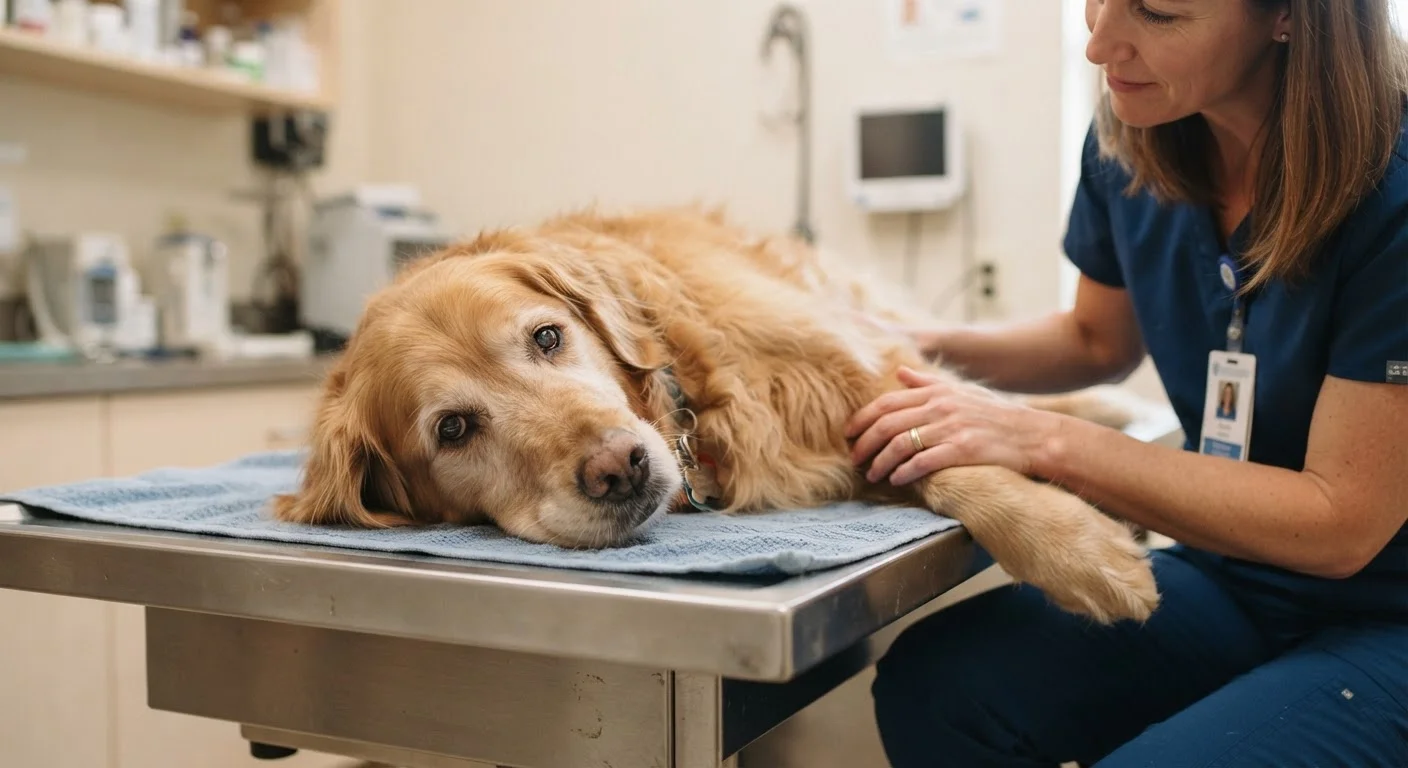
Key Takeaways
- Pets instinctively hide pain, so subtle behavioral changes are often the first warning sign.
- Both dogs and cats can show pain through changes in posture, appetite, grooming, and social behavior.
- Vocalization alone is not a reliable indicator — many animals in pain are completely silent.
- Any sudden or persistent change in your pet's normal behavior warrants a veterinary evaluation.
- Never give human pain medications to pets without explicit veterinary guidance, as many are toxic to animals.
Pain Signals in Pets
Pain signals in pets are the behavioral and physical changes animals display when they are experiencing discomfort or injury. Because dogs and cats cannot verbally communicate hurt, they rely on instinct-driven cues — many of which are subtle or easy to misread. Recognizing these signals is a foundational part of responsible pet ownership.
Animals, particularly prey species and cats, have evolved to mask pain as a survival mechanism, which means visible distress often indicates moderate-to-severe discomfort that has already been present for some time.
Why Pets Hide Pain — and Why That Matters
If your dog or cat seems "off" but you can't put your finger on why, trust that instinct. Animals are wired to conceal vulnerability. In the wild, showing weakness invites predation, so even domesticated pets retain a strong drive to mask discomfort. This means that by the time pain becomes obvious to an owner, it has often been building quietly for a while.
Understanding this biology is the first step toward catching problems early. Rather than waiting for dramatic signals, attentive owners watch for deviations from their pet's personal baseline — the way this animal normally eats, moves, sleeps, and interacts.
It's also worth noting that pain and stress can look similar on the surface. For a closer look at how emotional distress presents differently from physical pain, see our article on stress signals in dogs and cats.
Behavioral Signs of Pain in Dogs and Cats
Behavioral changes are typically the earliest and most reliable indicators that something is wrong. Here are the patterns most commonly associated with pain:
- Withdrawal or hiding: A social pet who suddenly retreats, avoids contact, or seeks out isolated spots may be trying to protect a painful area or conserve energy.
- Irritability or aggression: A normally gentle animal that growls, hisses, or snaps — especially when a specific body area is touched — is often communicating pain through the only language available.
- Changes in appetite: Reduced interest in food or water, or difficulty chewing, can indicate oral pain or systemic discomfort affecting the gut.
- Altered grooming habits: Cats may stop grooming altogether (a sign of significant malaise) or obsessively lick one spot, which can point to localized pain beneath the skin.
- Restlessness or difficulty settling: Repeatedly changing positions, pacing, or an inability to get comfortable are common pain behaviors, particularly in dogs.
- Vocalization: Whimpering, yelping, or yowling can occur, but many animals in real pain remain completely silent — so the absence of sound is not reassuring.
Track Changes Before Your Appointment
Keep a brief daily log or short video clips of your pet's behavior when you first notice something seems off. Recording what is different — eating patterns, movement, social behavior — gives your veterinarian a much clearer picture than memory alone. Many animals appear more comfortable in a clinical environment, making home observations especially valuable.
Keep a simple log of any behavioral changes you notice, including when they started and whether they coincide with specific activities. This information is invaluable at a veterinary appointment.
Physical Signs Worth Watching
Alongside behavioral shifts, the body itself often tells a story. Look for these physical indicators:
- Lameness or altered gait: Limping, stiffness after rest, reluctance to jump or climb stairs, or a shortened stride can all point to musculoskeletal pain.
- Postural changes: A hunched back, tucked abdomen, lowered head, or weight shifted off one limb suggests the animal is trying to offload a painful area.
- Facial expression: Research in veterinary science has identified pain-associated facial changes in both cats and dogs — including squinting eyes, flattened ears, a tense muzzle, and orbital tightening. The Feline Grimace Scale, developed by researchers at the Université de Montréal, offers a validated framework veterinarians use to assess pain in cats based on these cues.
- Excessive panting: In dogs, panting without an obvious heat or exercise cause — especially at night — can indicate chronic pain.
- Changes in posture while resting: Sleeping in an unusual position, sleeping far more or far less than normal, or difficulty rising are all worth noting.
Pain, Illness, and Anxiety Can Overlap
Some of the behavioral signs associated with pain — such as hiding, reduced appetite, and restlessness — also appear in stressed or anxious pets. For a closer look at how anxiety presents in dogs and cats, see our guide on anxiety in dogs and cats. A veterinarian can help determine whether the root cause is physical, emotional, or a combination of both.
Some pain signs overlap with symptoms of illness, aging, or anxiety. A veterinarian is best placed to distinguish between these causes through a physical examination and, where appropriate, diagnostic testing.
What to Do When You Suspect Your Pet Is in Pain
If you recognize several of the signs above, the most important step is straightforward: contact your veterinarian. Do not attempt to manage pain at home with human medications. Common over-the-counter drugs including ibuprofen, acetaminophen, and naproxen are toxic to cats and dogs and can cause serious organ damage.
While you arrange a veterinary visit, minimize your pet's physical exertion, handle them gently, and avoid pressing on areas that seem sensitive. If your pet is unable to stand, struggling to breathe, showing signs of collapse, or has experienced visible trauma, treat the situation as an emergency and seek urgent care immediately.
When you arrive at the clinic, sharing your behavioral log — including when changes started, what triggers seem to worsen things, and any video you captured at home — gives the veterinarian crucial context. Pets sometimes appear more comfortable in the clinic environment, so home observations are genuinely useful diagnostic information.
For guidance on making that veterinary appointment as smooth as possible, see our tips for reducing vet visit stress for both pets and owners. And if you're curious about supportive home care in the meantime, our piece on home remedies — what helps and what to avoid can help you navigate that carefully.
This article is for general informational purposes only and is not a substitute for professional veterinary advice. If you are concerned about your pet's health, always consult a licensed veterinarian.