

Key Takeaways
- Budget travel does not require sacrificing comfort, safety, or meaningful experiences.
- Many cost-saving strategies work best with advance planning, not last-minute spontaneity.
- Shoulder season and flexible travel dates consistently offer better value than rigid peak-period booking.
- Affordable accommodations range well beyond hostels and suit many traveler types and preferences.
- Food and local culture are often more accessible — and more authentic — at lower price points.
Why Budget Travel Gets a Bad Reputation
For many US adults, the phrase "budget travel" conjures images of sleepless nights in grimy dorms, missed attractions, and meals that barely qualify as food. These associations are understandable — they're repeated so often that they feel like established truth. But most of them don't hold up when examined against how affordable travel actually works in practice.
The myths surrounding low-cost travel don't just circulate online; they actively prevent people from taking trips they could otherwise afford and enjoy. Understanding what's actually true — versus what's assumed — is the first step toward planning trips that fit your real-world budget without leaving experiences on the table.
For a grounded look at what travel actually costs before you commit, see Building a Realistic Travel Budget From Scratch.
Myth
Budget travel means roughing it — uncomfortable beds, unsafe neighborhoods, and skipped attractions.
Fact
Affordable travel can be comfortable and safe; the key is knowing where quality and cost align rather than assuming they're always opposites.
The conflation of "cheap" with "low quality" applies to some options, not all. Many guesthouses, smaller hotels, and home-sharing arrangements offer clean, safe, well-located rooms at prices well below major hotel chains — often in neighborhoods that provide a more authentic sense of a place. The full range of affordable accommodation types is broader than most travelers assume, and each has trade-offs worth understanding before booking.
Safety is determined far more by destination research and situational awareness than by what you spend on a room. Many expensive hotels sit in tourist-heavy areas with their own risks; many affordable options are located in safe residential neighborhoods simply less marketed to visitors.
Myth
You have to book everything last-minute to get the best deals.
Fact
For most trip components — especially flights and popular accommodation — advance booking consistently produces better prices than last-minute searches.
The last-minute deal is real in specific, narrow circumstances: distressed inventory on cruise lines, last-night hotel openings in low-demand periods, or certain package operators clearing unsold blocks. But as a general strategy for US travelers planning international or domestic trips, it's unreliable and often counterproductive.
Flights in particular tend to rise in price as departure approaches, especially for routes with consistent demand. Accommodation in popular destinations books out weeks or months ahead during peak periods, leaving late planners with fewer choices at higher prices. Advance planning doesn't mean inflexibility — it means securing core logistics early while leaving room in the itinerary for spontaneity on the ground.
Myth
Traveling solo always costs more than traveling with a group because you can't split expenses.
Fact
Solo travel eliminates group coordination costs and gives you full control over spending decisions, often making it easier — not harder — to stay on budget.
Group travel splits accommodation and sometimes transportation costs, which is a real advantage. But it also introduces compromises: restaurants chosen for consensus rather than value, activities priced for the group's preferences, and itinerary friction that can lead to spending more to keep everyone satisfied. The economics are more nuanced than they appear, as explored in our piece on group travel vs. solo travel costs.
Solo travelers can eat where locals eat, stay in single-occupancy affordable rooms, and make every budget call without negotiation. For many people and many destinations, solo travel ends up costing the same or less than group alternatives once all variables are counted.
Myth
All-inclusive packages always save money compared to booking everything separately.
Fact
All-inclusive packages simplify budgeting but frequently include costs for amenities you won't use and restrict access to cheaper local alternatives.
All-inclusive pricing bundles food, drink, and some activities into a single rate, which makes trip budgeting more predictable. But that predictability comes at a cost: you're paying for a full menu of offerings regardless of how many you actually use. Travelers who eat lightly, prefer local restaurants, or want to explore beyond the resort footprint often pay a premium for the package model relative to what they'd spend booking components individually.
There are legitimate cases where all-inclusive makes financial sense — high-consumption travelers in destinations where dining out is expensive, or those who genuinely value the simplicity. A balanced look at when the math works and when it doesn't is covered in The Case For and Against All-Inclusive Travel Packages.
Myth
Budget travel means missing out on authentic local culture because you're stuck in tourist traps.
Fact
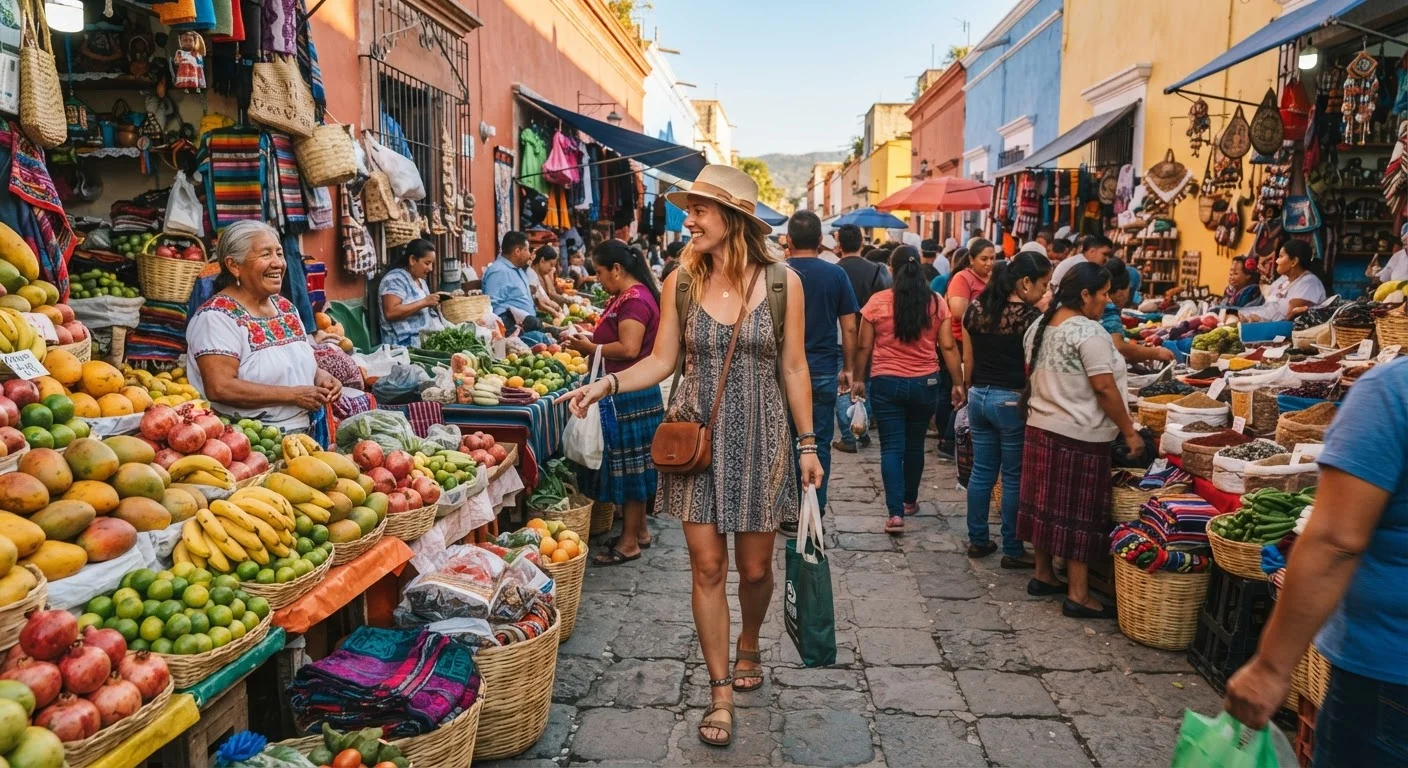
Lower-cost travel options — local markets, neighborhood restaurants, public transit, free cultural sites — often provide more direct access to local life than expensive tourist-oriented experiences.
Many of the most commonly cited "authentic" travel experiences are also among the most affordable: morning markets, neighborhood walks, regional transit, public beaches and parks, and community events. High-price tourist experiences, by contrast, are specifically designed for visitors — polished, predictable, and often disconnected from how locals actually live.
This doesn't mean expensive experiences are worthless, but the assumption that spending more gets you closer to a destination's real culture is frequently inverted. Eating at a street stall where locals queue at lunch costs a fraction of a tourist-oriented restaurant and typically delivers a more genuine experience of local food culture. Understanding how to experience a city like a local on a low budget is a practical skill worth developing before any trip.
What Smart Budget Travelers Actually Do Differently
Travelers who consistently spend less without feeling deprived tend to share a few common habits. They plan ahead but stay flexible on dates, they prioritize experiences over amenities they won't use, and they understand which costs are fixed versus which can shift dramatically with small choices.
~30%
Average airfare savings with flexible travel dates
Industry analyses of fare data consistently show that shifting departure by even one or two days around peak travel periods can reduce airfare by roughly 20–30% on common routes.
2–3x
Cost difference between peak and shoulder season lodging
Accommodation pricing in popular tourist destinations frequently doubles or triples during peak periods compared to shoulder season weeks, according to travel industry pricing data.
$50+
Daily savings possible through local dining choices
Travelers who eat primarily at local markets and neighborhood restaurants rather than tourist-oriented dining establishments commonly report daily food cost reductions of $30–$60 in many destinations.
Timing is one of the most underused levers. Travel during shoulder season — the weeks between peak and true off-season — typically delivers lower accommodation rates and smaller crowds without the weather or access trade-offs of deep off-peak travel. Our guide on shoulder season travel breaks this down in detail.
Food spending is another area where small decisions compound quickly. Eating at local markets, choosing lunch specials over dinner menus at the same restaurants, and shopping at neighborhood grocery stores can cut daily food costs significantly — without eating worse. See Eating Well Without Draining Your Travel Budget for practical strategies.
Flight costs, which often feel fixed, are also more flexible than most travelers realize. Nearby airport comparisons and flexible date searches are among the evidence-backed tactics covered in Flight Search Strategies That Experienced Travelers Actually Use. And once you're at your destination, many of the most memorable experiences cost very little — a point worth exploring in Free and Low-Cost Ways to Experience a New City Like a Local.
Verify Entry Requirements Before You Book
Visa rules, entry fees, vaccination requirements, and travel advisories change and vary significantly by destination and traveler nationality. Never rely solely on travel blogs or third-party booking sites for this information. Always verify current requirements directly with the relevant government sources — such as the US Department of State and the destination country's official immigration authority — before finalizing any travel plans.
The clearest takeaway from travelers who stretch their budgets effectively: the assumptions you carry into trip planning shape your spending more than almost any other factor. Challenge the myths, and the options open up considerably.