

Key Takeaways
- Container gardening works well for renters, small-space dwellers, and gardeners with poor native soil.
- Drainage, pot size, and watering frequency are the three variables most likely to determine success or failure.
- Not all plants thrive in containers - deep-rooted vegetables and large shrubs face real limitations.
- Mobility is one of container gardening's most underrated advantages, especially in variable climates.
Works without access to in-ground soil
Renters, apartment dwellers, and anyone with concrete patios or compacted clay can grow food and flowers without any ground access at all.
Full control over growing medium
You choose and amend the potting mix, which means you're not fighting native soil problems like poor drainage, high clay content, or contamination.
Plants can be repositioned as conditions change
Containers let you move plants to follow the sun, shelter them from frost, or bring tender perennials indoors for winter - flexibility no in-ground bed offers.
Easier to manage pests and disease
Isolated containers limit the spread of soil-borne disease and make it simpler to quarantine or dispose of affected plants before problems spread.
Scalable starting point for beginners
A single pot of herbs or lettuce is a low-stakes way to learn plant care before investing in larger beds or more demanding crops.
Dries out far faster than garden beds
Containers have limited soil volume and no connection to groundwater, so they require more frequent watering - sometimes daily in hot weather.
Nutrients deplete quickly
Regular watering leaches nutrients from potting mix faster than in-ground soil loses them, making consistent fertilization essential for sustained growth.
Root space is hard-capped
Even large containers restrict how deep and wide roots can spread, which limits plant size, yield, and the range of species that will thrive.
Costs more to set up than ground planting
Quality containers, potting mix, and amendments add up quickly, especially if you're filling multiple large pots - ongoing soil replacement is an additional recurring cost.
Temperature extremes hit harder
Container soil heats and cools much faster than in-ground soil, stressing roots during summer heat spikes or unexpected cold snaps.
Our Verdict
Container gardening is a genuinely versatile growing method with meaningful advantages - particularly for urban gardeners, renters, and anyone dealing with compacted or poor soil. Its limitations are equally real: containers demand more attentive watering, restrict what you can grow, and can become costly to set up well. Success comes down to matching your plant choices and container sizes to what the method actually supports.
Container gardening is best suited to renters, balcony growers, and anyone who wants flexible, manageable growing space without committing to in-ground beds.
What Container Gardening Actually Is
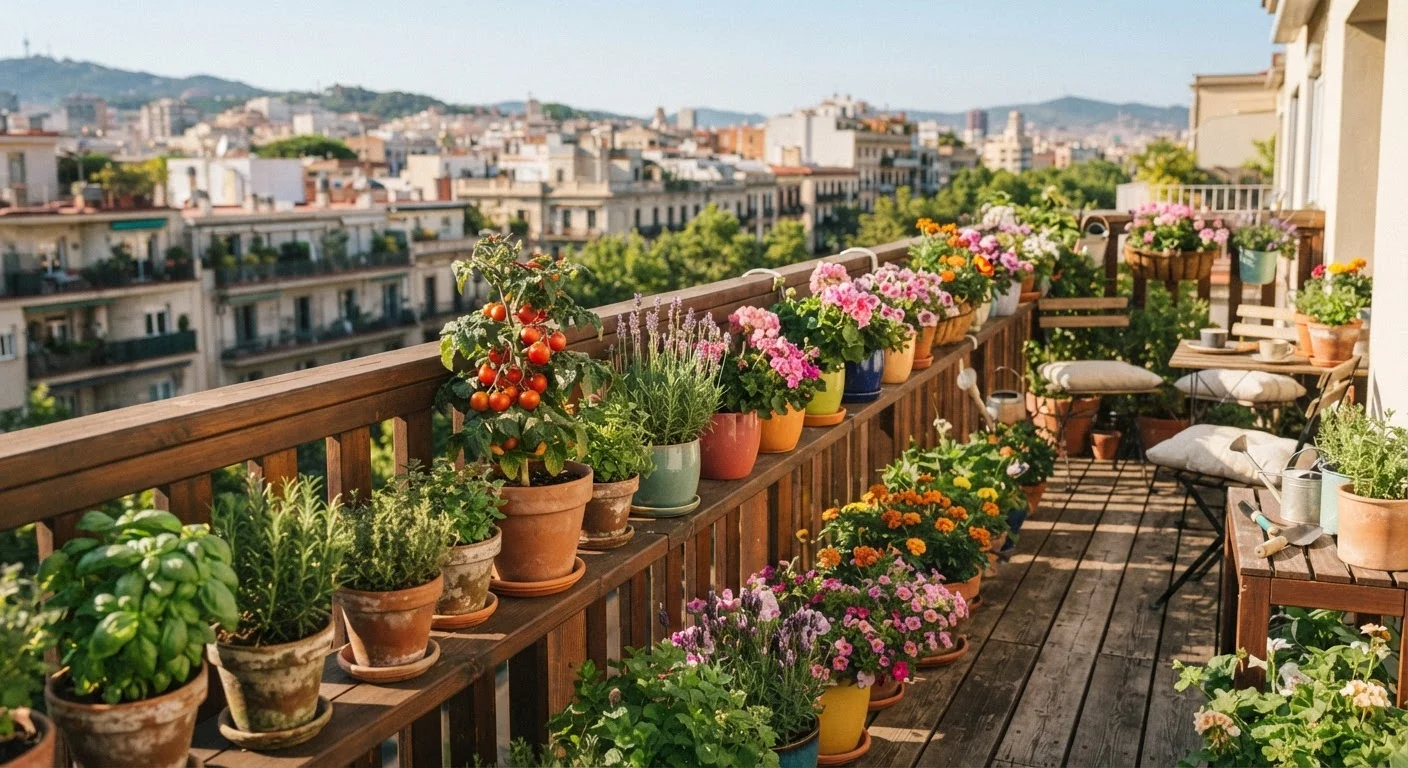
Container gardening means growing plants in pots, planters, window boxes, raised troughs, or any freestanding vessel rather than directly in the ground. It's not a single technique so much as a whole category of approaches - from a single herb pot on a kitchen windowsill to a full balcony setup with grow bags and self-watering planters.
The appeal is intuitive: you control the soil, the placement, and the scale. But containers impose real physical constraints on root space, moisture retention, and nutrient availability that in-ground beds simply don't. Understanding those trade-offs before you start is what separates a thriving container setup from a frustrating one. For a solid grounding in why soil composition matters so much in this context, see our guide to soil basics.
The Real Advantages of Growing in Containers
Container gardening solves several problems that stop people from gardening at all.
Works without access to in-ground soil
Renters, apartment dwellers, and anyone with concrete patios or compacted clay can grow food and flowers without any ground access at all.
Full control over growing medium
You choose and amend the potting mix, which means you're not fighting native soil problems like poor drainage, high clay content, or contamination.
Plants can be repositioned as conditions change
Containers let you move plants to follow the sun, shelter them from frost, or bring tender perennials indoors for winter - flexibility no in-ground bed offers.
Easier to manage pests and disease
Isolated containers limit the spread of soil-borne disease and make it simpler to quarantine or dispose of affected plants before problems spread.
Scalable starting point for beginners
A single pot of herbs or lettuce is a low-stakes way to learn plant care before investing in larger beds or more demanding crops.
Mobility stands out as particularly valuable in climates with late frosts or scorching summers. A potted citrus tree can move indoors; an in-ground one cannot. Similarly, containers let you optimize light exposure by repositioning plants as the season shifts - a meaningful edge for anyone working with a partially shaded space. Our article on placing plants in the right light explains how to assess your available sun before committing to a layout.
Where Container Gardening Falls Short
The constraints of container growing are just as important to understand as the benefits.
Dries out far faster than garden beds
Containers have limited soil volume and no connection to groundwater, so they require more frequent watering - sometimes daily in hot weather.
Nutrients deplete quickly
Regular watering leaches nutrients from potting mix faster than in-ground soil loses them, making consistent fertilization essential for sustained growth.
Root space is hard-capped
Even large containers restrict how deep and wide roots can spread, which limits plant size, yield, and the range of species that will thrive.
Costs more to set up than ground planting
Quality containers, potting mix, and amendments add up quickly, especially if you're filling multiple large pots - ongoing soil replacement is an additional recurring cost.
Temperature extremes hit harder
Container soil heats and cools much faster than in-ground soil, stressing roots during summer heat spikes or unexpected cold snaps.
Watering is where most container gardens fail. Pots - especially terracotta - dry out fast, and small containers in direct sun may need daily watering in summer. Roots have no subsoil reservoir to draw from, so any gap in your schedule shows up quickly as wilting or death. This is one of the most predictable container mistakes; our article on why plants die covers overwatering and underwatering patterns in detail.
Drainage Is Non-Negotiable
Every container must have at least one drainage hole. Without it, water pools at the root zone and causes root rot - one of the most common causes of container plant death. Avoid using gravel layers at the bottom as a drainage substitute; research consistently shows this can actually raise the perched water table within the pot. Use a quality potting mix and a container with proper drainage, and you've addressed the single biggest structural risk in container growing.
Choosing the Right Plants and Containers
Success in container gardening starts with matching plant to pot. Compact or shallow-rooted plants - lettuce, herbs, strawberries, dwarf peppers, annual flowers - genuinely thrive. Deep-rooted crops like squash, corn, or most fruit trees struggle unless containers are unusually large and deep.
Always check a plant's mature root depth before choosing container size. A tomato plant needs at least a 5-gallon container; many growers use 10-gallon or larger for better yield and stability. Reading plant tags at the nursery gives you the sizing and spacing information you need to make those decisions confidently.
For gardeners interested in low-maintenance container setups, plants that thrive with minimal attention includes several species well-suited to pots.
5-10 gal
Minimum container size for most tomato varieties
University cooperative extension guidelines generally recommend at least 5 gallons for determinate tomato varieties, with indeterminate types benefiting from 10 gallons or more.
2×
How much faster containers dry vs. ground beds
Horticulture educators commonly note that container soil can dry out twice as fast as in-ground beds under similar conditions, particularly in terracotta pots.
Container Gardening vs. Other Methods
Containers aren't the only alternative to in-ground planting. Raised beds offer more root volume, better thermal stability, and lower per-season maintenance than pots - but they're not movable and require an upfront build. For a direct comparison of those trade-offs, see our raised beds vs. in-ground planting breakdown.
One area where containers and other methods integrate well: soil enrichment. Container mix degrades over seasons and benefits from regular amendment. Homemade compost is an effective, low-cost way to refresh container soil annually - our composting at home guide walks through building and maintaining a backyard compost system. Keeping pests manageable in a container setup is also more straightforward than in large beds, but it still requires attention - natural pest control methods are worth knowing before problems appear.